Reading the Meter Before the Cold: A November Plan for the January Energy Bill
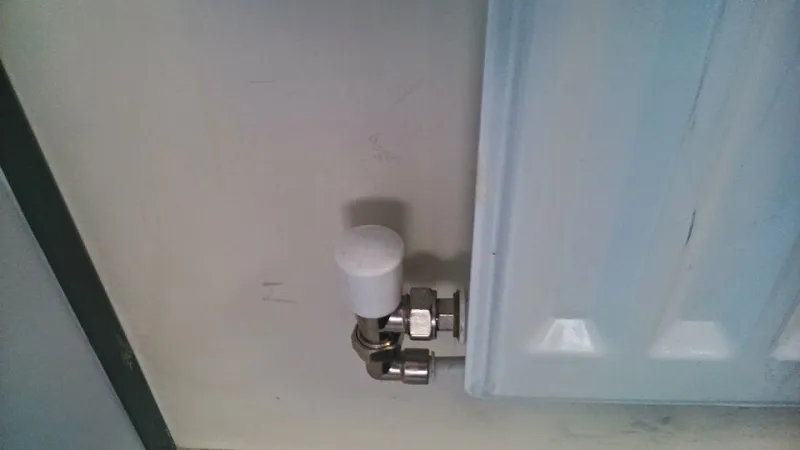
Photo: 247homerescue, CC0, via Wikimedia Commons
Every year the same conversation happens in kitchens across the country, usually in the second week of January, usually over a bill that seems to have arrived from a different economy altogether. Yet none of the elements is genuinely surprising. The cold arrives on schedule. Consumption rises on schedule. The price cap resets on a published timetable. What feels like a shock is really a fixed cost with a seasonal shape — and a fixed cost can be planned for.
This is a guide to doing that planning in November, while there is still time for it to make a difference.
The reset is already in the diary
Ofgem reviews the energy price cap four times a year, with new levels taking effect on 1 January, 1 April, 1 July and 1 October. The cap that will govern standard variable tariffs from 1 January 2027 is announced roughly five weeks beforehand — that is, in the final weeks of November 2026. By the time this is read, the direction of travel should be public.
Two clarifications are worth holding on to. First, the cap limits unit rates and standing charges for a household with typical consumption; it does not cap the bill itself. Use more, pay more. Second, the announcement is not the same event as the change: the rates only move on 1 January, and consumption is billed according to when it happened.
That second point matters more than it sounds, and it leads directly to the most useful thing a household can do this month.
Two dates for the diary: 31 December and 1 January
If the cap is changing, the boundary between the old rates and the new ones falls at midnight. Estimated readings blur that boundary, and blurred boundaries usually cost the customer rather than the supplier.
Submitting an actual reading on 31 December or 1 January — with a photograph of the meter for your own records — ensures that December's consumption is billed at December's rates and January's at January's. On a smart meter this happens automatically, but it is still worth checking that the readings in the app match reality, particularly if the meter has recently been replaced or has lost signal.
Households on prepayment meters should also check that any credit or seasonal adjustment has landed before the new rates apply, since a shortfall in the first cold week of January is the worst possible moment to discover one.
Work out your own winter number, rather than borrowing a typical one
Regulator figures for a "typical household" are a useful benchmark and a poor budget. Your own annual statement, usually available in the online account, will give consumption in kilowatt hours rather than pounds, which is far more informative.
A rough approach that works well enough for planning:
- Take last year's total gas consumption in kWh and assume that somewhere between half and two-thirds of it falls in the five months from November to March.
- Do the same for electricity, where the seasonal swing is gentler but still real, especially with electric heating or a heat pump.
- Multiply the winter kWh figures by the current unit rates, add five months of standing charges, and add VAT at 5%.
- Compare the result with what you are actually paying each month.
That comparison, done once, tells you whether your direct debit is smoothing your costs or quietly underfunding them.
The direct debit question
Direct debits are a budgeting device, not a discount, and they only work if the annual total is right. A payment set in the spring on the basis of a mild winter will look adequate in July and woefully short in February.
If the arithmetic above suggests you are underpaying, the calmer option is to raise the payment voluntarily now rather than wait for the supplier's annual review to impose a larger increase alongside a debit balance. If you are already in debit, ask about a payment arrangement before the arrears grow — suppliers have agreed processes for this, and a conversation in November is generally easier than one in March.
Households that prefer certainty sometimes move to a fixed tariff at this point. That can be sensible, but not automatically. A fix priced well above the current cap is only good value if the cap rises past it; compare the unit rates and standing charges line by line, check the exit fees, and use an Ofgem-accredited comparison service rather than a headline percentage.
Help that exists, and how to ask for it
A number of schemes run alongside the tariff system, and several are under-claimed every year.
- Warm Home Discount. A credit of £150 applied to the electricity account of eligible households in England, Wales and Scotland, usually applied automatically where the supplier holds the right data. If you believe you qualify — for example through receipt of Pension Credit or certain means-tested benefits — confirm with your supplier rather than assuming.
- Winter Fuel Payment. Now means-tested, and in most cases dependent on receipt of Pension Credit or a comparable benefit. Households who may have become newly eligible during the year should check, and should consider whether a Pension Credit claim is worth making for wider reasons than the payment itself.
- Cold Weather Payments. £25 for each seven-day period of very cold weather in qualifying postcodes, paid automatically to eligible households.
- Household Support Fund. Administered by local councils rather than by suppliers, and used for a wide range of purposes including energy debt and essential costs. Eligibility and application routes vary considerably by authority.
- Supplier hardship funds and trusts. Most large suppliers operate charitable funds for customers in serious difficulty; these are rarely advertised and usually accessed after a conversation with the supplier's specialist team.
- The Priority Services Register. Free to join for households with a disability, long-term condition, or with young children or pensioners in the home. It provides advance notice of supply interruptions and additional support.
Independent advice from Citizens Advice or a debt charity costs nothing and is often the fastest route through a thicket of eligibility rules.
The house itself earns its keep
The cheapest unit of energy is the one you do not use, and November is the last comfortable month in which to act on that.
A boiler service before the cold snap is inexpensive insurance against a January breakdown at the worst possible price. Bleeding radiators and balancing a system that heats one room and ignores another can make a noticeable difference to gas use. Draught-proofing around doors, letterboxes and unused chimneys is a modest outlay. Lagging an uninsulated hot water cylinder is one of the better-value improvements available. And turning the thermostat down by a single degree, as the Energy Saving Trust has long noted, cuts heating energy by roughly a tenth — a change most households stop noticing within a fortnight.
A four-week buffer plan
- Week one. Download the annual statement, take a meter reading, and write down the winter kWh estimate.
- Week two. Compare that estimate with the direct debit, and decide whether to adjust it, switch tariff or leave matters alone.
- Week three. Check eligibility for the discounts and grants above, and telephone the supplier if anything is unclear. Ask directly about the Priority Services Register.
- Week four. Complete the small fabric repairs, service the boiler if it is due, and set an explicit line in the January budget for energy at the new rate.
If the numbers suggest a shortfall, build a modest buffer — one month of winter energy costs held aside, topped up over November and December — so that the January statement is met with a plan rather than a wince.
Planning, not austerity
The point of this exercise is not to live in a colder house. It is to remove the element of surprise. Energy is a known cost with a predictable seasonal profile and a published review calendar. Households that attach a figure to it in November spend the winter making ordinary decisions rather than emergency ones, and January becomes a month like any other.
This article is general guidance and not regulated financial advice. Figures and scheme rules should be confirmed with your supplier, Ofgem or an accredited adviser before acting.