Six Lines on a PAYE Coding Notice Worth Checking Before Christmas
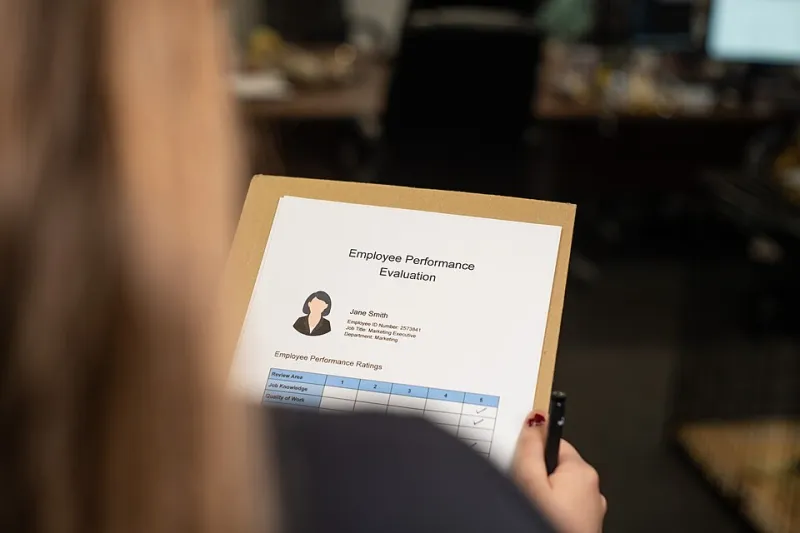
Photo: Digits.co.uk Images, CC BY 2.0, via Wikimedia Commons
November is an awkward month for tax. The self-assessment filing deadline is still weeks away, Christmas spending is beginning to bite, and many households assume there is nothing useful to do until January. For employees and pensioners paid through PAYE, however, the most valuable exercise is often a quiet check of the tax code that payroll is using.
Your tax code is not a fixed fact. It is an instruction to your employer or pension provider about how much tax-free income to allow across the year. When it is wrong, the effect is rarely dramatic in a single month. It is a steady drip: a little less in the payslip, a little more at the end of the year, and sometimes a bill or refund that could have been sorted out much earlier.
Why wait for January?
By January, payroll may have operated an incorrect code for months. Correcting it then can produce a sharp adjustment in one payslip, or a self-assessment entry that feels more alarming than necessary. A November review gives HMRC and payroll time to amend the code before the tax year ends on 5 April.
Six common coding slips
-
Side income treated too bluntly. If you rent out a room, sell items online or take on occasional freelance work, HMRC may adjust your code to collect tax on that income. The first check is whether the income is actually taxable. The £1,000 trading allowance and £1,000 property allowance can cover small amounts, and income within them generally does not need to be reported. If HMRC has coded out income that falls within an allowance, or has estimated it too high, ask for the code to be reviewed. If the income is genuinely taxable, a code adjustment can still be sensible—but it should be based on a realistic figure, not a guess.
-
Marriage Allowance missing or misapplied. Marriage Allowance lets one partner transfer part of their personal allowance to the other. It is easy to lose when circumstances change, and it can be applied to the wrong person or removed after a change in income. Check the personal tax account to see whether the claim is active and whether the code reflects it. If a claim has lapsed, it can often be reinstated; if it has been applied twice, that needs correcting.
-
Company benefits estimated oddly. Medical insurance, a company car, fuel, a cycle-to-work scheme or a cheap loan can all affect your code. The common error is not the benefit itself but the figure. Payroll may use last year's value, a mid-year estimate or a default that no longer matches the actual benefit. Ask for the benefit-in-kind figure being used and compare it with your P11D or the information your employer has supplied.
-
Pension relief in the wrong place. Pension contributions can reduce tax in different ways depending on the scheme. Under net pay arrangements, contributions are taken before tax. Under relief at source, the provider claims basic-rate relief and higher-rate taxpayers may need to claim more. A code can end up giving relief that has already been given, or omitting relief that is due. If you have changed jobs, started a new pension or increased contributions, this is worth checking.
-
Multiple jobs, pensions and the state pension. A code can be attached to the wrong source of income. Someone with two jobs may find the main allowance split awkwardly, while a new state pension or works pension can push a code in the wrong direction. The personal tax account should show which income sources HMRC expects and how the allowance has been allocated.
-
Expenses and subscriptions that disappear. Flat-rate job expenses, professional subscriptions or uniform allowances can reduce taxable income. They are easy to forget when a job changes, and easy to duplicate when a claim is repeated. Check that the amount is still valid and that it appears once, on the right code.
The cash effect, in plain numbers
Most coding errors are easier to understand when translated into money. A tax code number broadly represents the tax-free amount divided by ten. For illustration, a code of 1257L points to £12,570 of tax-free income. If the code is 1100L, the difference is £1,570. At the basic rate of 20%, that is about £314 a year, or roughly £26 a month. At higher rates the monthly effect is larger. The exact figures depend on your circumstances, but the arithmetic is a useful way to decide whether a query is worth pursuing.
How to challenge a code without turning it into a project
Start with the personal tax account. It shows the code HMRC believes is in use and the income sources behind it. Then gather the documents that support your position: payslips, P60, P11D, pension statements, letting accounts or a simple record of side income. Ask your payroll department which code they have received and when. If the code is wrong, contact HMRC—online where possible—and ask for a specific correction rather than a general review. Keep a note of the date, the reference and what was agreed. If the correction affects a current employer or pension provider, HMRC should issue a new code; payroll then applies it from the next available payday.
A short November checklist
- Compare the code on your latest payslip with the code in your personal tax account.
- List every income source HMRC is likely to know about, including small side income and pensions.
- Check whether Marriage Allowance, pension relief or job expenses are present once, and once only.
- Ask payroll which benefit figures and pension arrangements are being used.
- Estimate the annual cash difference before deciding how urgently to act.
- Keep the evidence together in case the query runs into January.
A correct code will not make Christmas cheaper. It will, however, stop a quiet payroll error from taking a little more than it should—and it may spare you a January conversation that could have happened in November.